Tsurugyu (蔓牛)

Kobe beef refers to the Tajima strain of wagyu beef, therefore, only wagyu from Kobe, Japan can be called kobe.

Tsurugyu is known for its grade A Kobe beef. This place is amazing melt in your mouth goodness. Be ready to drool over the following epic food. 

Placing the hot, fiery coals to grill the luscious meat. 

image

The most delicious cow tongue, which is then dipped in lemon, salt and pepper dipping sauce.

image

Two cuts of rib eye steak full of natural umami. 

image

Close up natural beauty shot.

image

Melt in your mouth kalbi (short rib).

image

Marinated belly goodness.

image

Cold handmade noodle soup.

image

To end the meal, they provided an ume (plum) tea and matcha green tea.

image

Overall, this was the best meal I had in Japan.

We were lucky and got to sit at the counter and watch the chef prepare the meat. He also kept an eye on us to ensure we didn’t overcook any of the precious meat, which was fine with me since I believe the chef knows all. All of the beef was rich and melted in your mouth. Each cut of meat had a special dipping sauce, so it was swapped out with every cut of meat. All of this cost about 60 USD per person, which is cheap for kobe wagyu. A must try when in Osaka.

(3 Chome-5-14 KawarayamachiChuo Ward, Osaka, Osaka Prefecture 542-0066Japan)

Umeda Sky Building

Umeda Sky building consists of a pair of skyscrapers connected by a floating garden observatory, depicted above, with a 360 degree view of Osaka. The mirrors reflect the sky to give the observatory a floating effect. 

image

Escalator down from the observatory.

image

View of how high up the observatory is.

Admission: 800 yen

(Japan〒531-0076 Osaka Prefecture, Osaka 北区大淀中 1−1−88)

Osaka Castle

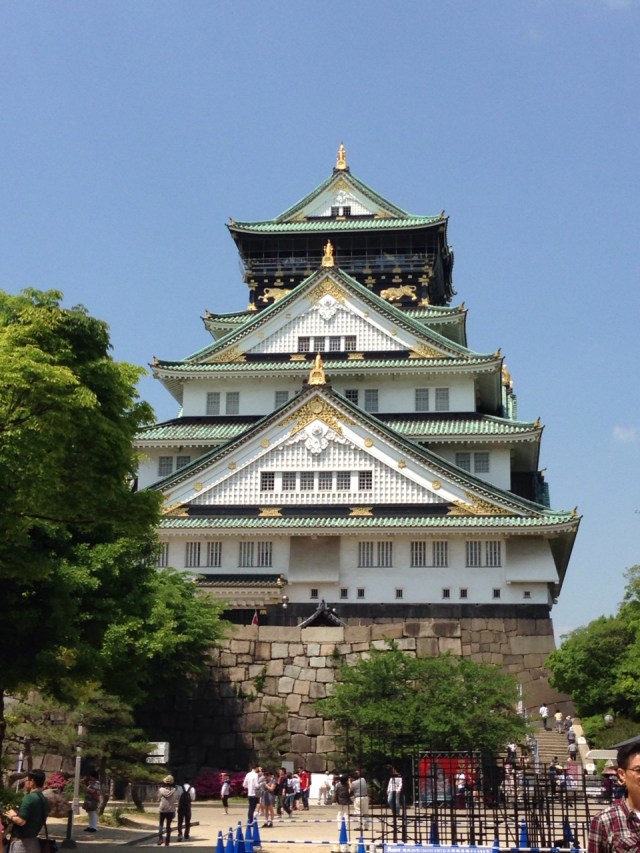
Osaka Castle played a major role in the unification of Japan in the sixteenth century. In 1583, Toyotomi Hideyoshi began the construction of the castle featuring eight stories, five stories main tower and three stories underground.

Despite it being an iconic landmark of Osaka, it has been rebuilt several times due to sieges and being burnt down multiple times. In 1615, Tokugawa Ieyasu seiged the castle from Toyotomi Hideyori, the heir of Toyotomi Hideyoshi.

In 1620, it was reconstructed by Tokugawa Hidetatada, son of 

Tokugawa Ieyasu. In 1655, lightning struck the main tower and burned it down. The current castle is a restoration, completed in 1997, representation of the Toyotomi period. The interior is now a museum of the history of Osaka Castle. 

Before you is the amazing Osaka Castle. Just kidding. It’s one of the few remaining turrets.

image

The south half of the inner moat is grass while the north half is filled with water. This was how it was during the Toyotomi period and has remained that way since. 

image

The inner stone wall was built in 1620 and still stands today. The granite boulders, from a rock quarry in Seto Inland Sea Rock, interlock together without mortar. 

image

View of Osaka from the top floor with half of the golden Shachihoko. It is a mythical creature with a dragon head and fish body and symbolizes prestige and authority. 

image

Admission: 600 yen

(Japan〒540-0002 Osaka Prefecture, Osaka, 中央区大阪城1−1)

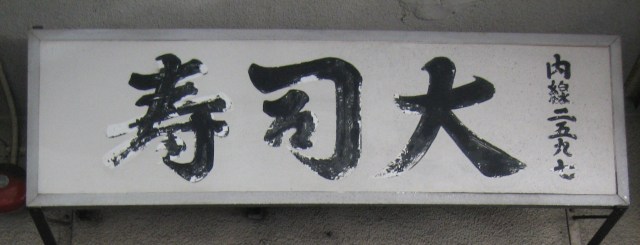
Sushi Dai


Be prepared to wait for Sushi Dai, one of the two acclaimed sushi restaurants at the Tsukiji fish market. By wait, I don’t mean 1-2 hours. I mean over FOUR hours. You have to be committed, or just wake up super early to be first in line. I got to Sushi Dai around 5 am and was immediately told it will be a four hour wait. So I waited….and waited….and waited 4.5 hours for:

Fresh and smooth toro

image

Continue reading

Meiji Jingu

Meiji Jingu is a Shinto shrine dedicated to the souls of Emperor Meiji and Empress Shoken.

When you first enter, you will come across the huge Torii gate.

image

As you follow the path, you will come across the sake and wine casks dedicated to Emperor Meiji. Each year a sake cask is donated by Meiji Jingu Nationwide Sake Brewers Association in hopes of prosperity.

image

Emperor Meiji is known for embracing the Western culture and starting the modernization of Japan, which allowed Japan to become one of the world’s major power. Below are wine casks in commemoration of his radical actions of consuming Western food and enjoying wine with it. 

image

Before you enter the shrine, it is custom to rinse your hands and mouth at the temizuya.

image

Another Torii gate before you enter the shrine.

image

Shrine entrance

image

Alas the shrine.

image

Write your wishes on an Ema, wooden tablet, and hang it under the tree.

image

Shinto wedding procession at the shrine.

image

Admission is free unless you plan on entering the treasure house, which displays the emperor’s and empress’ personal possessions, or inner garden.

(Japan〒151-0052 Tōkyō-to, Shibuya-ku, Yoyogikamizonochō, 1東京都渋谷区代々木神園町1)

Ippudo

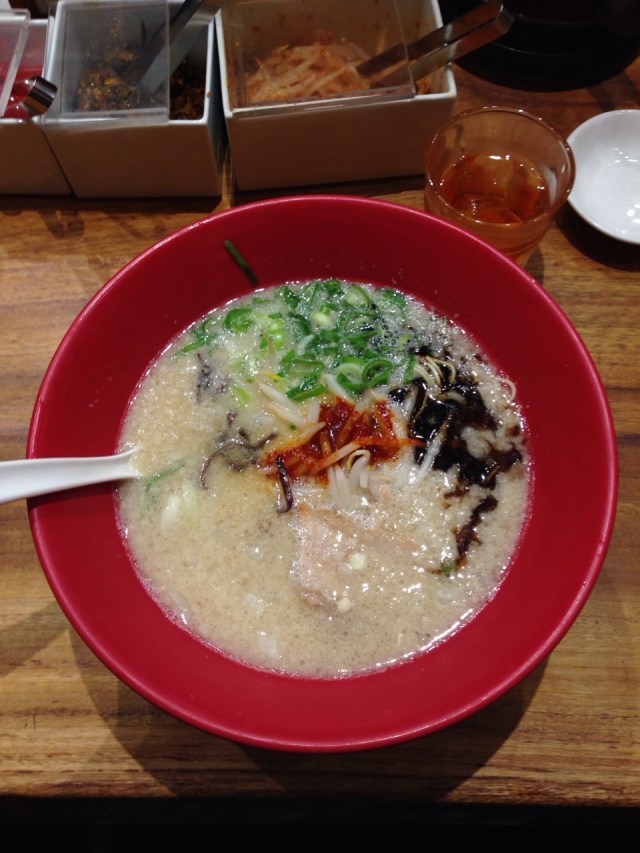
Served at Ippudo is the Akamaru Modern (pictured above). It has a tonkotsu pork broth with handmade thin noodles with a splash black garlic oil. It’s topped with three slices of pork, scallions, fungi, and bean sprouts.

The broth was intensely rich in flavor. The noodles were firm and the chasu was delicious!!!

They serve a strong barley tea to compliment the ramen. On the table are pickled bean sprouts, veggies, and ginger to snack on while waiting. They also have garlic and a garlic mincer at the table if you want your soup to be more garlicky.

Ippudo is a chain restaurant and can be found all over Japan. However, the stores are discreetly hidden and hard to recognize. Be on the lookout! You don’t want to miss out on their decadent broth.

Below is a map of Ippudos in Japan and New York.

Tokyo Tower 

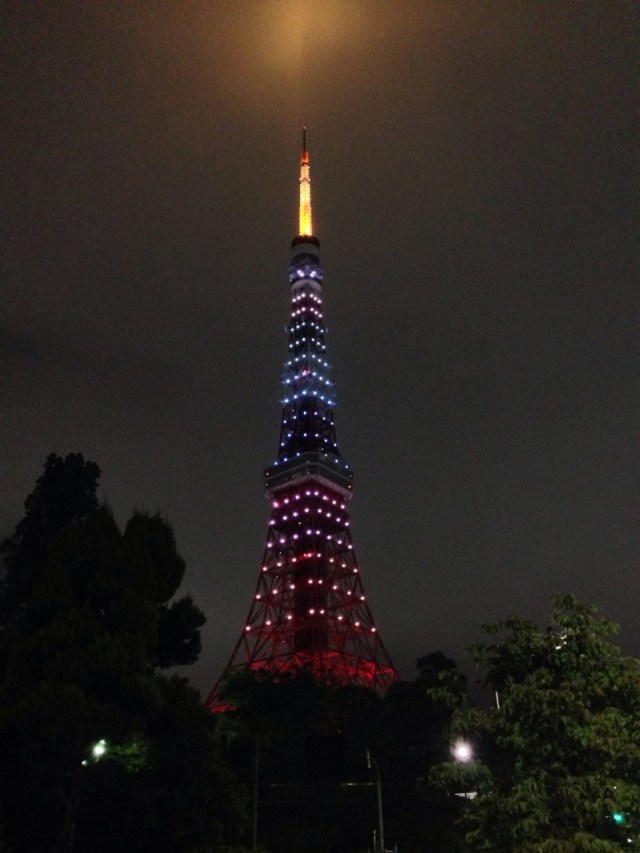
Built in 1958, it represents Tokyo’s new rebirth as a major economical power. At 333 meters tall, it is 13 m taller than its model, the Eiffel Tower.

For ¥900, you can go up to the main observatory for a 360 view of Tokyo. There is also a special observatory at 250 m, however, it was closed when I went. 

(4 Chome-2-8 Shibakoen, Minato, Tokyo 105-0011 Japan)

Shinjuku Gyoen National Garden

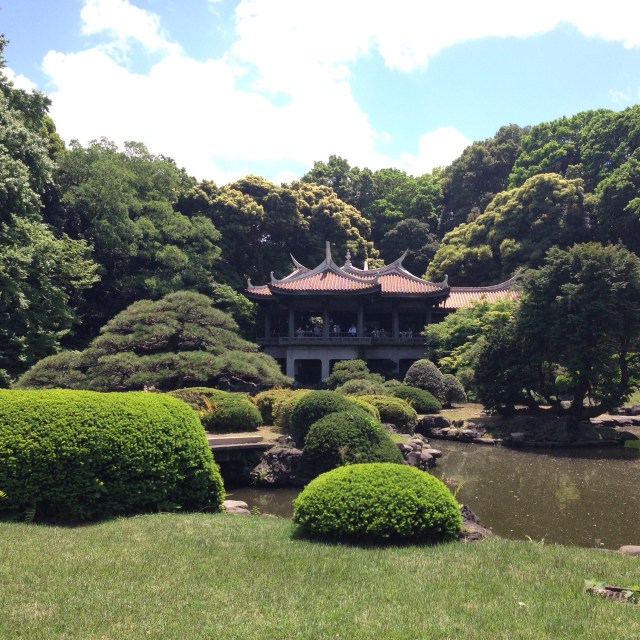
An oasis of lush greenery, tea houses, former residences, koi, and bridges within the city. A perfect place to picnic or take wedding photos. No need to bring food for the picnic. They sell bento boxes and drinks through out the park.

image
image

Teahouse

image
image

Picnicking on the grounds. You can buy bento box lunches at the house in the back.

image
image

Admission is generally 200 yen but it was free when I went because it was Greenery Day (May 4).

(11 Naitomachi, Shinjuku, Tokyo 160-0014 Japan)

Clinton St. Baking Company

Clinton St. Baking Company is my favorite NY brunch spot. When I discovered, they had branched out to Japan, I did a happy dance and ran straight to deliciousness.

Smoked salmon potato pancake– This was okay. The quality wasn’t what I expected maybe due to the difference in the potato? The salmon had a hint of fishy smell. I did enjoy the lemon creme fraiche.

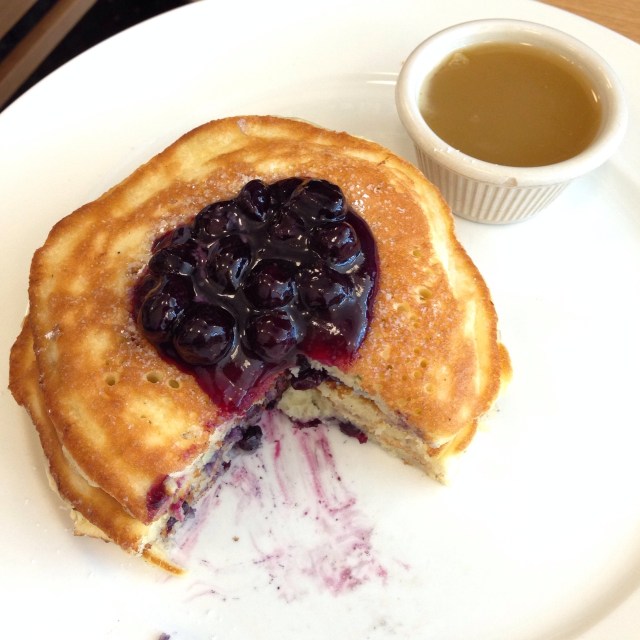
Blueberry Pancakes- These were my favorite in NY, and they were as good as I remembered them to be. Light and fluffy with a dunk in the maple butter sauce. Happiness in one bite. A must try when going here.

The Tokyo location is located at:5-17-1, Minami Aoyama, Minato-ku, (“kotto street”) Tokyo 107-0062. New York is the original location.